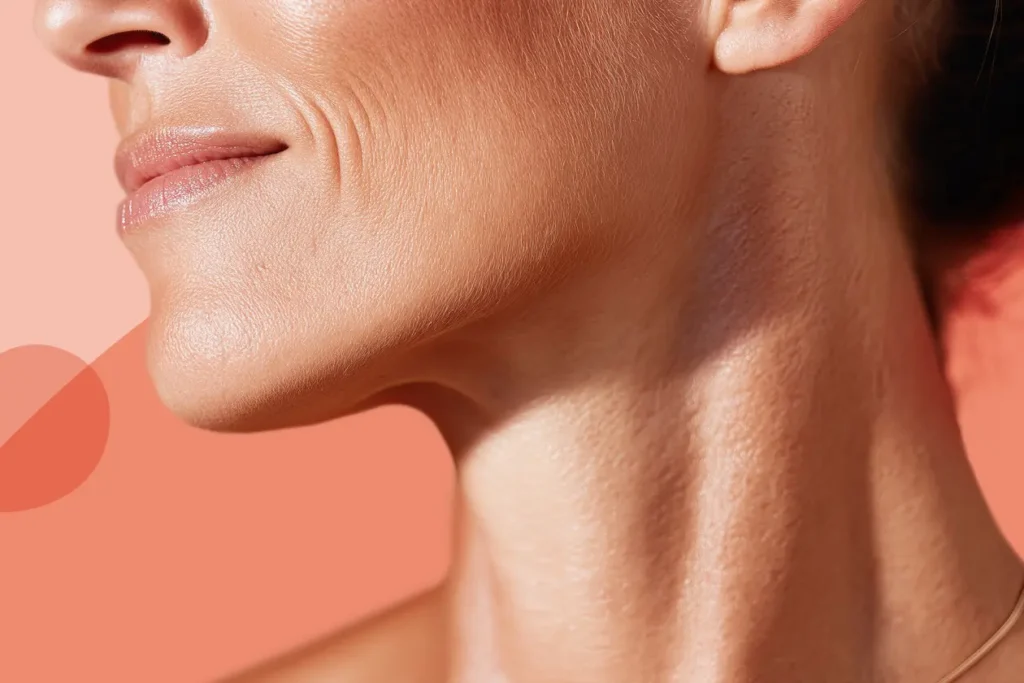
For many of us, what kept our skin healthy and glowing through our 30s suddenly stops working in our 40s. If you’re noticing a pronounced shift from dewy to dull, it’s not in your head—it’s in your hormones. As we move through perimenopause and into menopause, the natural drop in estrogen profoundly changes the very foundation of our skin.
What’s happening beneath the surface?
Estrogen signals fibroblasts to produce collagen, elastin, and hyaluronic acid, which supports our skin’s firmness, elasticity, and hydration. Estrogen also helps inhibit the enzymes that break down these proteins by directly contributing to skin thickness and resilience.
When estrogen levels drop:
- Collagen crashes: We lose approximately 30% of our skin’s collagen in the first five years of menopause alone. (!!)
- Skin thins & becomes more fragile: A decrease in ceramide production leads to a thinner skin barrier, resulting in increased dryness, itchiness, and sensitivity.
- Adult acne can appear: Hormonal fluctuations can trigger frequent breakouts, requiring a different, gentler approach than most teen-focused treatments.
Powerhouse topicals
We recently spoke with Medicart’s Dr. Dominique Fausto De Souza about what she considers the three most important topical ingredients to include in your daily skincare routine: Vitamin C, sunscreen, and retinoids (vitamin A).
Vitamin C (with a concentration of at least 10%) acts as a catalyst for collagen synthesis and helps neutralize free radicals that zap the vitality and youthful glow of midlife skin. Because perimenopausal skin is thinner and more prone to hyperpigmentation, daily use of a mineral SPF 30+ is non-negotiable. It protects your existing collagen from UV breakdown—even on overcast days. Retinoids remain the gold standard for increasing cell turnover and stimulating new collagen while you sleep.
For extra credit, consider adding a peptide serum. Look for one that includes Matrixyl, palmitoyl, and polypeptides to stimulate collagen, elastin, and hyaluronic acid production and further support a healthy skin barrier.
Skin-first nutrition
Feeding your skin from the inside out is just as important (if not more!) as what you apply topically. Certain nutrients have clear, science-backed roles in maintaining skin structure and hydration during midlife. Coral always recommends whole foods over supplements to give your skin the raw materials it needs to thrive.
- Amino acids: Your body builds its own collagen using amino acids. Prioritize high-quality protein like fish, poultry, eggs, and legumes. Foods naturally rich in collagen—such as bone broth, sardines (with scales), and chicken skin—provide direct building blocks for tissue repair.
- Vitamin C: Vitamin C is the “on switch” for collagen synthesis. Without it, your body cannot stabilize collagen fibers. Reach for citrus, bell peppers, strawberries, and kale to ensure your internal “collagen factory” has the fuel it needs.
- Healthy fats: Estrogen loss leads to a thinner, drier skin barrier. Omega-3 fatty acids—found in salmon, walnuts, and flaxseeds—act as an internal moisturizer, reducing inflammation and helping your skin cells retain water.
- Phytoestrogens: Compounds found in fermented soy (tofu, miso, tempeh) and flaxseeds can mimic estrogen’s effects on the skin, potentially supporting elasticity and hyaluronic acid production.
The next frontier: Topical estriol
While not yet commercially available as an over-the-counter product in Canada, topical estriol is a growing area of clinical interest. Unlike systemic HRT, local estriol cream is designed to stay in the skin tissues, where it has been shown to improve elasticity and hydration. At Coral, we continue to monitor these emerging therapies to ensure our members have access to the latest in hormonal skin science.
Find comfort in your own skin
Forget “anti-aging”—midlife skin health is ultimately about building skin resilience and longevity. And no matter how many sun spots or wrinkles you may have accumulated, it’s never too late to start paying closer attention to your body’s largest organ. By pairing the right topicals with a diet rich in protein and Omega-3s, you can move from simply battling dryness and crepiness, to feeling great in your skin again.
Disclaimer: The information provided here is for informational purposes only. It is not intended as medical advice. Always consult with your doctor or healthcare provider to determine what is best for your individual health needs.