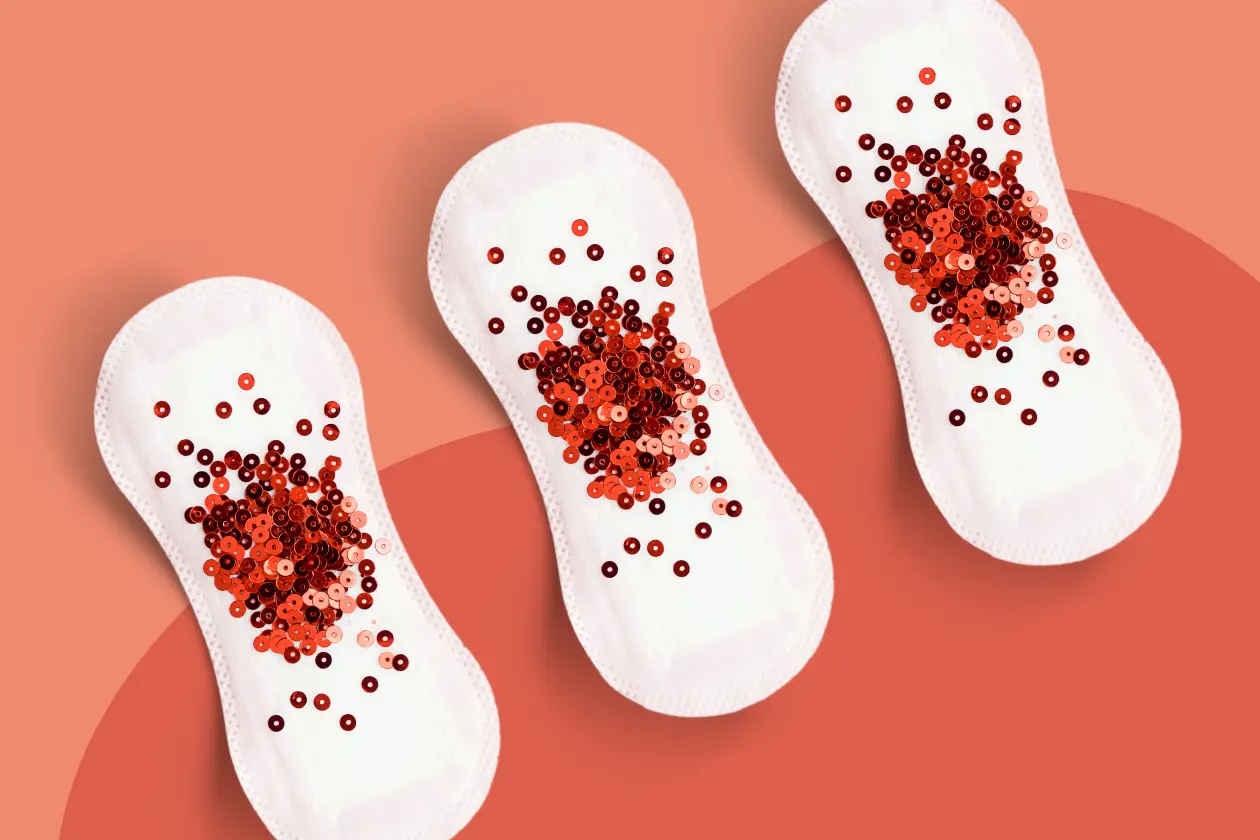
In our 40s, we’re often told that erratic, heavy periods are just “part of the deal.” But there’s a biological fine line between a midlife transition and a medical red flag. Heavy Abnormal Uterine Bleeding (AUB) is any menstrual flow that gets in the way of your life–physically, socially, or professionally.
Why is this happening now?
As we enter perimenopause, our hormone production becomes a lot less predictable. During this transition, we are often still producing estrogen to build up the uterine lining, but we aren’t ovulating regularly enough to make the progesterone that’s needed to thin that lining. This is commonly called “unopposed estrogen.”
The result? The uterine lining continues to thicken and becomes unstable. When it finally sheds, the flow is significantly heavier, longer, and more likely to include large clots. Fibroids or polyps that become more common in our 40s can also add to heavier, more erratic bleeding.
What classifies as a clinically heavy period?
Here’s your “red flag” checklist:
- The “flooding” rule: Bleeding through clothes or bedding during the day or night.
- The hourly change: Needing to change your pad or tampon every 1–2 hours.
- The “double-up”: Wearing two types of protection (like a menstrual cup and a pad or a tampon and period underwear) just to feel “safe.”
- The 7-day stretch: Your period consistently lasts longer than a week.
- The “loonie” clot: Passing blood clots the size of a Loonie coin (about 1 inch) or larger.
If any of these things ring true for you, it’s time to talk with your clinician about next steps, including treatment. And in the meantime, make your life easier by always having tampons, pads, and even a fresh pair of undies on hand (in your handbag, car, etc.).
The depletion cycle: The bathtub analogy
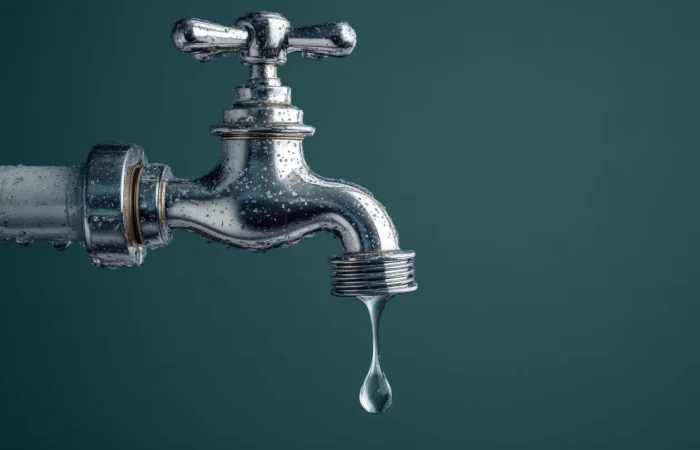
When you’re losing a lot of blood every month, you’re also losing more iron. Think of your iron levels like a bathtub. If the “drain” (your period) is wide open and losing blood faster than the “tap” (your iron intake) can fill it, you will eventually run dry. This leads to profound fatigue, exercise intolerance, and even hair loss.
At Coral, we don’t wait for you to be “clinically anemic” to take action. Instead we use optimal iron ranges as our guide, meaning we may recommend iron supplementation even if your labs fall within a technically “normal” range but you are symptomatic.
The importance of a physical checkup
Because heavy bleeding in perimenopause typically stems from a mix of hormonal shifts (like the “unopposed estrogen” seen in Polycystic Ovary Syndrome or PCOS and anatomical changes including fibroids or polyps), a thorough checkup is necessary to determine the root cause(s).
If you are experiencing bleeding after menopause seek medical care immediately as this could be a sign of something more serious.
What to expect and advocate for in your care:
1. The physical exam
If you’re over 40 (in Canada), guidelines recommend a pelvic ultrasound and possibly also an endometrial biopsy to rule out cell abnormalities.
2. The labs
It’s important to have a full blood count (FBC) along with your thyroid function and iron reserves (Ferritin) tested.
3. Treatment
Options can include the Mirena IUD, tranexamic acid, and sometimes surgery. Even if you opt for surgery, you may want to consider a temporary treatment to manage your symptoms in the meantime.
The heavy period treatment menu: Know your options
Many potential solutions exist for lightening the burden heavy and more unpredictable periods can have on your life. Talk with your practitioner clinician to determine the best option(s) that match your health history, lifestyle and preferences.
| Approach | Option | How it works | Efficacy |
| Non-hormonal | Tranexamic Acid | Taken only during your period; helps blood clot at the source. | ~40% reduction in flow. |
| Non-hormonal | NSAIDs (Mefenamic Acid) | Reduces prostaglandins that cause both pain and heavy bleeding. | ~30% reduction in flow. |
| Hormonal | Mirena IUD | Releases progestogen directly in the womb to thin the lining. | ~90% reduction; often stops periods. |
| Hormonal | Progesterone only or Combined pill | Suppresses ovulation to keep the uterine lining thin and stable. | High; regulates the cycle. |
| Surgical | Ablation / Hysterectomy | Surgical procedure that removes the lining/uterus entirely. | Permanent solution, but typically a last resort. |
Advocacy tips: How to talk to your clinician
Before you meet with your clinician or other members of your care team, get organized! The more information you can share, the better.
- Bring the data: Keep a symptom diary for 3–6 months. Note the changes in frequency, severity, duration and the clot size.
- The “vitality” check: If you’ve been bleeding heavily for more than one or two cycles, ask to have your hemoglobin and ferritin levels checked. (If you feel depleted, you can start on an iron supplement right away.)
- The action plan: Describe the negative impact on your daily life and ask to discuss treatments.
Don’t tough it out alone
Heavy, unpredictable periods in perimenopause are a clinical signal, not a rite of passage. Whether the root cause is the inevitable estrogen rollercoaster or an anatomical change like a fibroid, the impact on your iron levels, your energy, and your daily life is real.
The goal of modern midlife care, and our aim at Coral, is to move away from the “wait and see” approach toward a more proactive and personalized care plan. By tracking your symptoms, understanding your treatment options, and partnering with a clinical team that prioritizes your quality of life, you can reclaim your energy and confidence.
These are your prime years!
You deserve to thrive, not simply “survive” your cycle.
Disclaimer: The information provided here is for informational purposes only. It is not intended as medical advice. Always consult with your doctor or healthcare provider to determine what is best for your individual health needs.